




Contact number:
+86-15692113403
Is It Effective for Adults to Wear Braces for Teeth Straightening
 Date:2021-03-20 21:02:32
 Author:
 Views:7970
Wearing braces can effectively correct crooked or protruding teeth in teenagers. But how effective is this approach for adults?
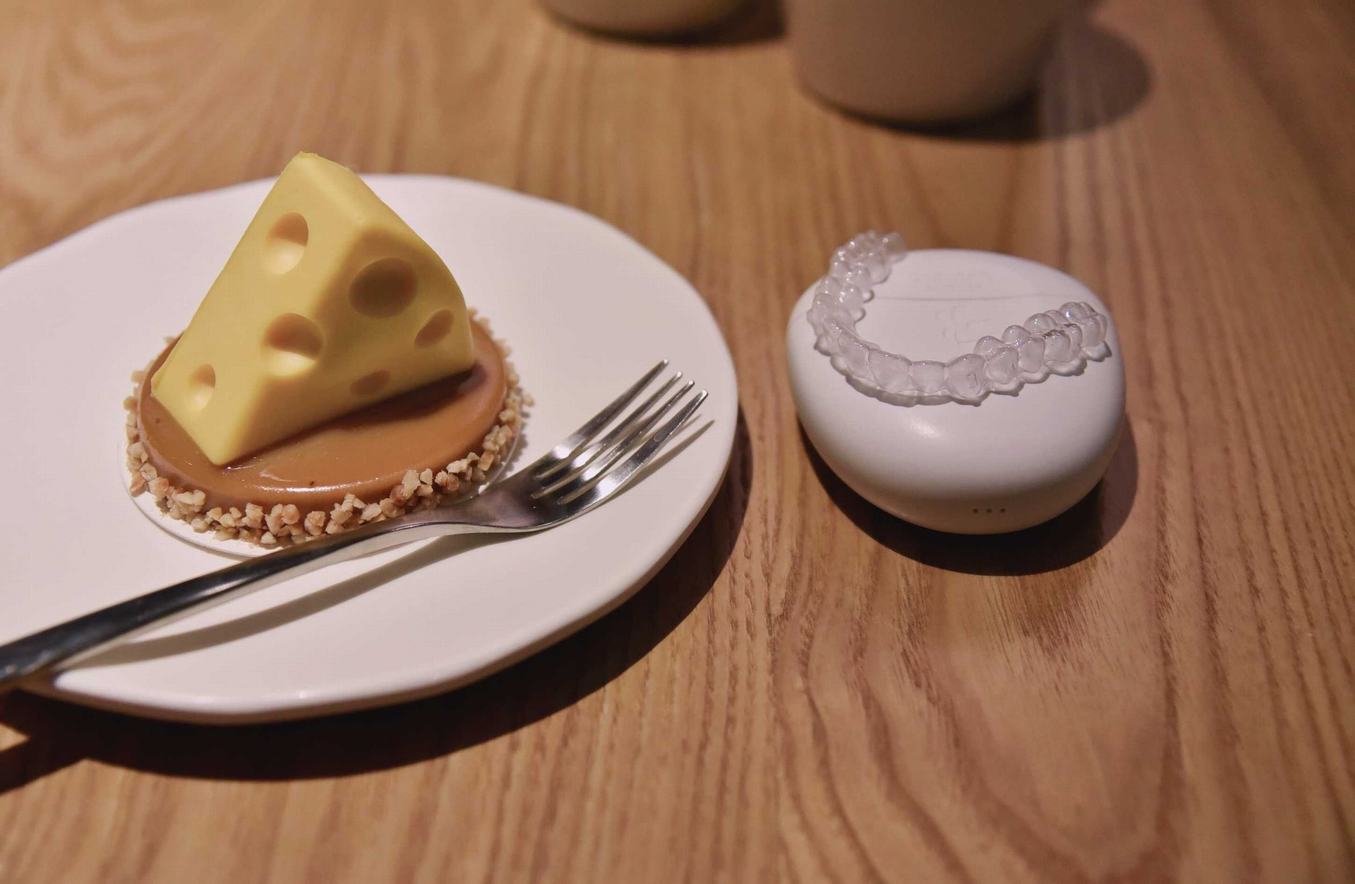
Theoretically, adults can also wear braces for orthodontic treatment, but it can be more challenging. This is because adult bone development is complete, and tooth movement and recovery are not as fast as in minors. Adult growth and development have ceased, bone metabolism and alveolar bone remodeling are relatively slow, and tooth movement is relatively slow, requiring a longer treatment time than in children. Corrective treatment of the jaw bones yields minimal results. In many cases, surgical procedures are needed in conjunction with orthodontic treatment to address patient needs.
Additionally, adults have a higher rate of tooth decay, and many patients also suffer from periodontal disease. Missing teeth, broken crowns, and residual roots are also common. Combined with severe tooth wear and systemic diseases, these factors make adult orthodontics more difficult than for teenagers.
The optimal age for orthodontic treatment is during adolescence. Adults who have missed this age window can still undergo treatment, but it requires good oral health, no tooth decay, no periodontal disease, and good patient cooperation and perseverance. Generally, adult orthodontic treatment takes 1-2years or slightly longer, depending on individual dental conditions. Adult alveolar bone is fully developed and teeth are basically set, but teeth have memory function, so the risk of relapse is higher. Therefore, during the orthodontic process, patients must not only have strong willpower but also actively cooperate with the doctor, visit the clinic on time for check-ups, and adjust the force of tooth movement to ensure optimal treatment results.
Recommended Articles
- Shanghai | Cohort 1 of the Dr.Clear Masterclass on Integrated Early Orthodontic Intervention and Pediatric Dentistry Concludes Successfully
- Dr.Clear Aligner and Korea's Graphy Enter into an Exclusive Strategic Partnership in China
- Dr.Clear Aligner 2025 Mid-Year Review: Defining Future Precision with Chinese Wisdom!
- Wuhan | Dr.Clear Aligner & Hongchang Dental Summer Pediatric Early Orthodontic Treatment Dual-Track Training Program for Clinicians and Patients Concludes Successfully
- Technology for Good: The “Silver Smile · Seedling Dental Care” Community Outreach Initiative Launches
- “Journey Together, Protecting Little Smiles” – Dr. Eggshell Pediatric Dental & Dr.Clear Aligner Study Tour Season 3 Successfully Concluded~
- Shanghai | Dr.Clear GroForce Class II-III Solution Seminar Successfully Concluded!
- Focusing on a Digital Future: Dr.Clear Aligner and Industry Leaders Discuss New Opportunities in Orthodontics
- Henan | Luoyang Danke Children's Dental Digital Children's Whole-Periodic Facial Management Center Officially Established!
- Beijing | Dr.Clear Children's Whole-Period Early Orthodontic Treatment Roadshow and Summit Concluded Successfully