




Contact number:
+86-15692113403
Don't Miss the Golden Window for Teeth Straightening—Delaying Only Makes It Harder
 Date:2021-06-18 22:48:58
 Author:
 Views:7195
Malocclusion is one of the most common dental deformities in orthodontics. This condition not only requires timely intervention during the optimal treatment window but also demands long-term management. Unfortunately, many people miss the ideal time for orthodontic treatment. By adulthood, when they finally consider correction, it has become significantly more challenging. At this stage, oral development is fully complete, making correction more labor-intensive and time-consuming. So how should adult malocclusion be treated??
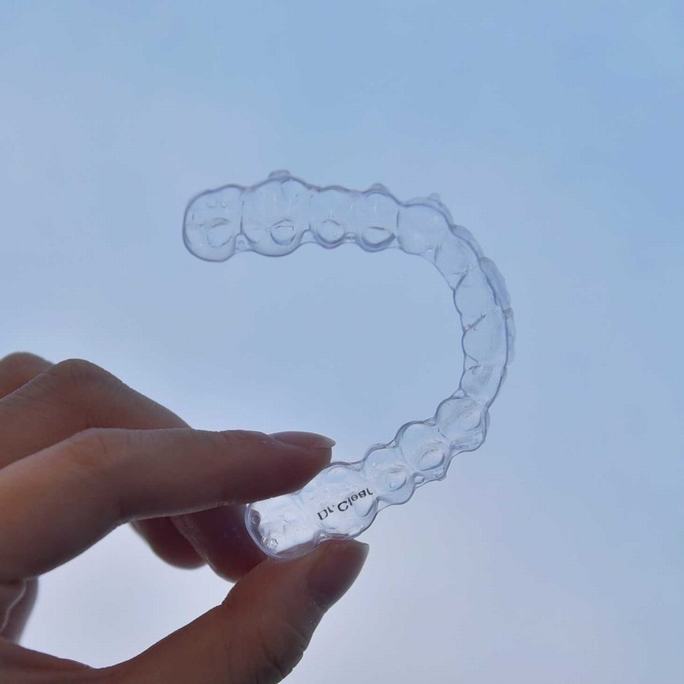
Experts point out that orthodontic treatment differs from the treatment of general diseases. The process is gradual, and therefore the treatment duration is relatively long—typically around 2 years, with complex cases potentially taking even longer. The treatment involves the following steps: pre-treatment consultation and examination, addressing any dental diseases before orthodontics, developing a treatment plan, tooth extraction if necessary, fitting the appliance, and regular follow-up visits. After the treatment goals are achieved and the appliance is removed, a retainer must be worn for a considerable period.
Adult orthodontic treatment is more complex than that for children. First, the most basic dental cleanliness and health must be ensured. The patient needs to take a panoramic X-ray of the teeth. Based on the X-ray, the doctor will determine whether the patient has periodontal disease, impacted teeth(i.e., teeth that cannot erupt into the oral cavity due to various reasons), etc. If such conditions exist, they should be treated first. In addition, people with misaligned teeth may develop tartar due to incomplete brushing, which requires professional cleaning, and in severe cases, subgingival scaling. Secondly, after ensuring dental health and complete removal of tartar, the doctor will take dental impressions to compare with the patient's teeth, measure the ratio of teeth to alveolar bone, and determine whether tooth extraction is needed. Finally, the doctor will fit the patient with an orthodontic appliance based on the dental models. Here is an overview of correction methods.
Since adult orthodontic treatment is irreversible to a certain extent, once treatment fails, the difficulty of a second successful attempt is very high. Therefore, during the treatment process, in addition to choosing a qualified specialist, achieving the ideal correction outcome depends equally on both the doctor and the patient—each contributing 50%. Only with the patient's full cooperation in wearing the appliance as instructed can the treatment be effective.
Recommended Articles
- Shanghai | Cohort 1 of the Dr.Clear Masterclass on Integrated Early Orthodontic Intervention and Pediatric Dentistry Concludes Successfully
- Dr.Clear Aligner and Korea's Graphy Enter into an Exclusive Strategic Partnership in China
- Dr.Clear Aligner 2025 Mid-Year Review: Defining Future Precision with Chinese Wisdom!
- Wuhan | Dr.Clear Aligner & Hongchang Dental Summer Pediatric Early Orthodontic Treatment Dual-Track Training Program for Clinicians and Patients Concludes Successfully
- Technology for Good: The “Silver Smile · Seedling Dental Care” Community Outreach Initiative Launches
- “Journey Together, Protecting Little Smiles” – Dr. Eggshell Pediatric Dental & Dr.Clear Aligner Study Tour Season 3 Successfully Concluded~
- Shanghai | Dr.Clear GroForce Class II-III Solution Seminar Successfully Concluded!
- Focusing on a Digital Future: Dr.Clear Aligner and Industry Leaders Discuss New Opportunities in Orthodontics
- Henan | Luoyang Danke Children's Dental Digital Children's Whole-Periodic Facial Management Center Officially Established!
- Beijing | Dr.Clear Children's Whole-Period Early Orthodontic Treatment Roadshow and Summit Concluded Successfully