




Contact number:
+86-15692113403
Clear Aligner Treatment Requires Caution: Key Considerations to Remember
 Date:2021-07-03 22:19:53
 Author:
 Views:6740
Clear aligner treatment is a long-term process, and the journey can be quite challenging. During treatment, it is essential to pay close attention to oral hygiene and gum health to avoid infection or inflammation in the mouth or gums. If infection or inflammation occurs, seek professional care promptly to prevent the condition from worsening.
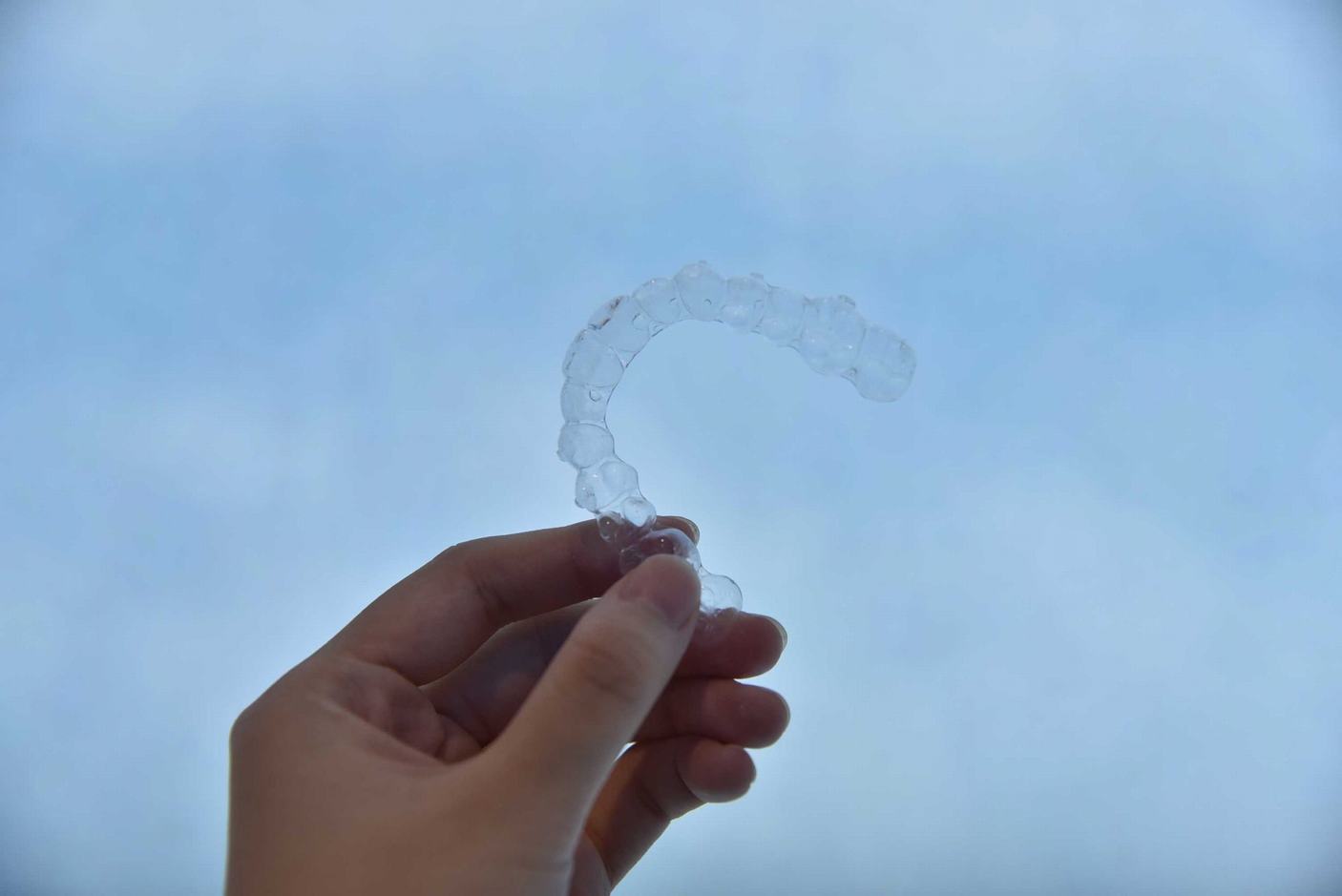
Clear Aligner Treatment Requires Caution: Key Considerations to Remember:
Generally, the ideal time for orthodontic treatment is shortly after the primary teeth have been fully replaced, when the jawbone is still developing, which facilitates treatment outcomes and the normal growth of teeth after correction. Children with crossbite during the mixed dentition phase should receive timely correction; otherwise, jaw development abnormalities may persist once all permanent teeth have erupted. Since adult jawbone remodeling and tooth movement are slower than in children, adult orthodontic treatment differs from that of adolescents. The following points should be noted during clear aligner treatment:
1. You can and should brush your teeth after wearing the aligners, and with extra care. Pay close attention to oral hygiene and use proper brushing techniques.
2. Near the end of orthodontic treatment, a retainer will be custom-made based on the patient’s condition to maintain the achieved results. As long as the retainer is worn consistently, relapse is generally unlikely.
3. Fixed orthodontic appliances are bonded to the teeth with special materials. During the first two to five days, teeth may feel sore due to the applied forces. The oral mucosa may also be irritated by the appliances, but these discomforts are tolerable and preventable. They typically subside on their own within a week, and medication is usually not required. After subsequent adjustment visits, patients may experience mild tightness or discomfort in the teeth, which is normal; however, severe pain is not.
4. Orthodontic treatment does not interfere with eating. However, dietary choices matter: overly hard or sticky foods can damage or dislodge the appliances, affecting treatment outcomes(such foods include hard candies, soft candies, preserved plums, peanuts, bones, barbecue, sugarcane, apples, pears, etc.). Everyday foods like rice, vegetables, eggs, and meat can be eaten as usual. If you crave certain foods, there are always alternatives — for example, remove the meat from ribs or chicken, slice apples or pears into pieces, or drink sugarcane juice. In this way, your diet will not be significantly affected.
Recommended Articles
- Shanghai | Cohort 1 of the Dr.Clear Masterclass on Integrated Early Orthodontic Intervention and Pediatric Dentistry Concludes Successfully
- Dr.Clear Aligner and Korea's Graphy Enter into an Exclusive Strategic Partnership in China
- Dr.Clear Aligner 2025 Mid-Year Review: Defining Future Precision with Chinese Wisdom!
- Wuhan | Dr.Clear Aligner & Hongchang Dental Summer Pediatric Early Orthodontic Treatment Dual-Track Training Program for Clinicians and Patients Concludes Successfully
- Technology for Good: The “Silver Smile · Seedling Dental Care” Community Outreach Initiative Launches
- “Journey Together, Protecting Little Smiles” – Dr. Eggshell Pediatric Dental & Dr.Clear Aligner Study Tour Season 3 Successfully Concluded~
- Shanghai | Dr.Clear GroForce Class II-III Solution Seminar Successfully Concluded!
- Focusing on a Digital Future: Dr.Clear Aligner and Industry Leaders Discuss New Opportunities in Orthodontics
- Henan | Luoyang Danke Children's Dental Digital Children's Whole-Periodic Facial Management Center Officially Established!
- Beijing | Dr.Clear Children's Whole-Period Early Orthodontic Treatment Roadshow and Summit Concluded Successfully