




Contact number:
+86-15692113403
Can teeth fall out after long-term orthodontic treatment?
 Date:2021-07-25 21:38:28
 Author:
 Views:6531
Can teeth fall out after long-term orthodontic treatment? In today's world, everyone wants to look good, have a beautiful smile, and healthy teeth. Having a set of straight, white teeth not only enhances your appearance but also boosts your confidence. Most patients with dental imperfections visit the hospital for orthodontic treatment. However, many people have certain misconceptions about orthodontic treatment, believing that teeth are connected to nerves and cannot be treated. Let's explore whether teeth can fall out after long-term orthodontic treatment.
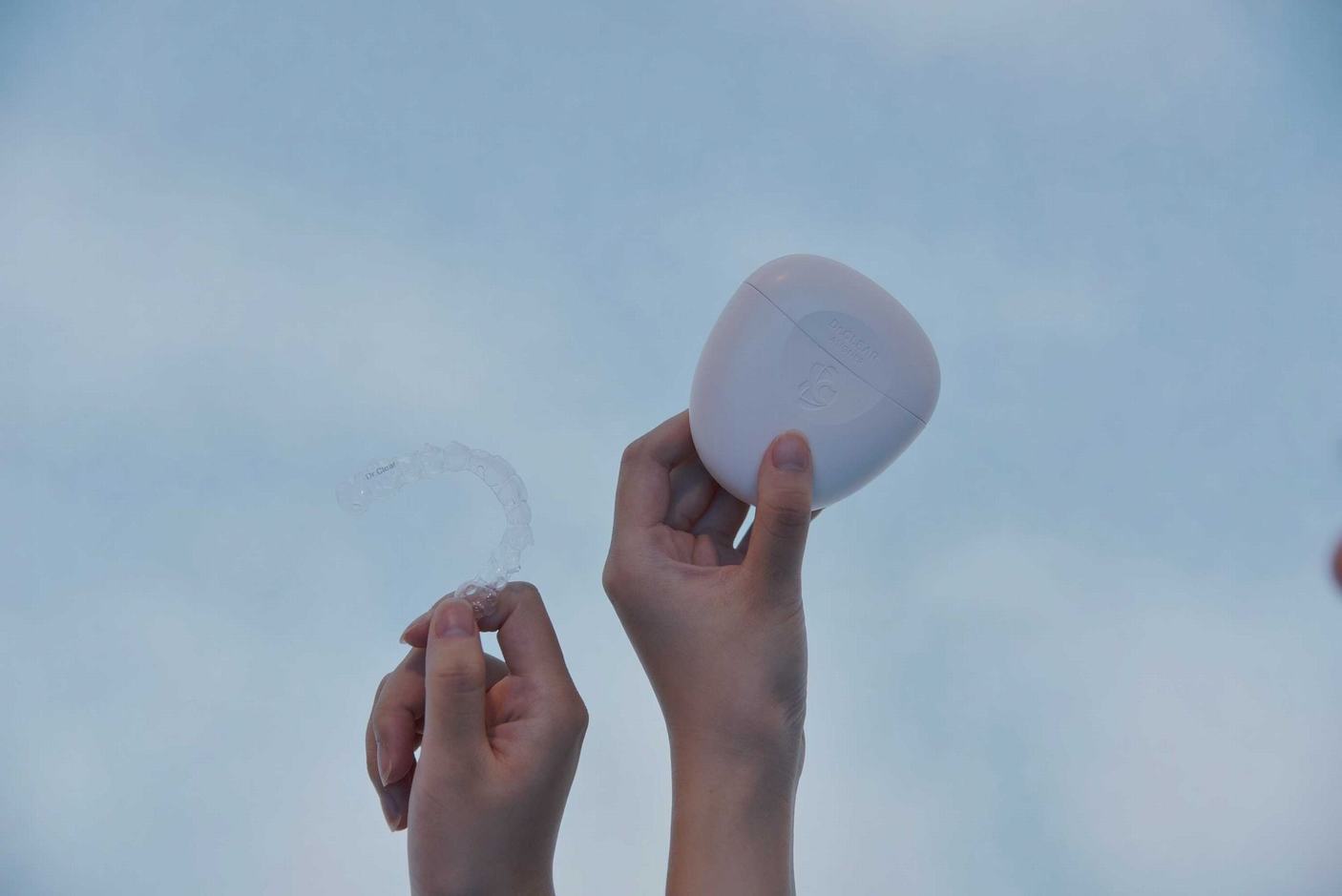
Can teeth fall out after long-term orthodontic treatment? Some parents worry that orthodontic treatment will cause teeth to loosen in old age, or even lead to premature tooth loss. Experts state that this view is unscientific. Orthodontic treatment uses light, controlled forces to guide tooth movement—a slow process of biological remodeling. On one side of the moving tooth, bone is resorbed; on the other side, new bone is formed, ultimately moving the tooth into its proper position. The process is gradual, and the teeth remain stable. Proper orthodontic treatment does not cause trauma to the teeth or periodontal tissues.
Besides tooth loss, there are several other common misconceptions about orthodontic treatment:
1. Orthodontic treatment can only begin after all permanent teeth have erupted
Traditional beliefs suggest that orthodontic treatment should only begin at age 12. This view is not only one-sided but can also be harmful. Malocclusion is a developmental deformity that is best prevented and corrected during the growth process. Conditions such as underbite, small chin, facial asymmetry, severe protrusion, severe crowding, and abnormal oral habits—like mouth breathing during sleep, lip biting, or unilateral chewing—all affect the normal development of facial bones and oral function. The earlier these are addressed, the better. As the saying goes, "Each person is unique, deformities vary, the optimal timing differs."
2. Orthodontic treatment is very painful and restricts eating
After each adjustment of the orthodontic appliance, patients may experience mild soreness for two to three days. These minor discomforts are generally tolerable and subside quickly. They are normal physiological responses to orthodontic treatment and are nothing to worry about. As for diet, during the treatment period, patients should avoid very hard foods (such as bones or hard nuts) and very sticky foods. Other than that, most foods can be eaten normally after the initial adjustment period.
3. Imported orthodontic appliances are better than domestic ones
Imported orthodontic appliances may have superior manufacturing processes compared to domestic ones, but they are designed based on the dental dimensions of foreign patients. If applied mechanically to Chinese patients, the clinical results could be disastrous. Therefore, when using imported appliances, patients or parents should ask the orthodontist whether appropriate measures have been taken to compensate for these differences. While the choice of appliance is important, the skill and expertise of the doctor are the key determinants of treatment quality. Doctors at reputable hospitals generally have higher levels of expertise.
Friendly Reminder: The above article has addressed whether teeth can fall out after long-term orthodontic treatment. We believe you now have a detailed understanding. Orthodontic treatment is not as harmful as many people imagine. When conditions permit, undergoing orthodontic treatment is worthwhile.
Recommended Articles
- Shanghai | Cohort 1 of the Dr.Clear Masterclass on Integrated Early Orthodontic Intervention and Pediatric Dentistry Concludes Successfully
- Dr.Clear Aligner and Korea's Graphy Enter into an Exclusive Strategic Partnership in China
- Dr.Clear Aligner 2025 Mid-Year Review: Defining Future Precision with Chinese Wisdom!
- Wuhan | Dr.Clear Aligner & Hongchang Dental Summer Pediatric Early Orthodontic Treatment Dual-Track Training Program for Clinicians and Patients Concludes Successfully
- Technology for Good: The “Silver Smile · Seedling Dental Care” Community Outreach Initiative Launches
- “Journey Together, Protecting Little Smiles” – Dr. Eggshell Pediatric Dental & Dr.Clear Aligner Study Tour Season 3 Successfully Concluded~
- Shanghai | Dr.Clear GroForce Class II-III Solution Seminar Successfully Concluded!
- Focusing on a Digital Future: Dr.Clear Aligner and Industry Leaders Discuss New Opportunities in Orthodontics
- Henan | Luoyang Danke Children's Dental Digital Children's Whole-Periodic Facial Management Center Officially Established!
- Beijing | Dr.Clear Children's Whole-Period Early Orthodontic Treatment Roadshow and Summit Concluded Successfully