




Contact number:
+86-15692113403
Be Careful! It's Never Too Late to Develop These Oral Habits!
 Date:2021-11-17 16:38:28
 Author:Dr.Clear Aligner
 Views:5774
According to theFourth National Oral Health Epidemiological Survey, the prevalence of dental caries in permanent teeth among 12-year-old children in China is 34.5%,up 7.8% from ten years ago.
The prevalence of dental caries in primary teeth among 5-year-old children is 70.9%,up 5.8% from ten years ago, indicating a clear upward trend in childhood caries.
The situation for adults is also concerning. Hot pot, barbecue, spicy hot pot, cake, milk tea, and ice cream. Modern dietary habits favoring spicy and sweet foods can lead to varying degrees of dental and oral problems.
According to World Health Organization standards, a healthy oral cavity must simultaneously meet【clean teeth, no cavities, no pain】and【normal gum color, no bleeding】.
To elaborate, this means no visible food debris/soft deposits/pigmentation on the tooth surface. No tartar buildup from inadequate brushing, and no black/brown cavities caused by tooth decay. No pain either.
The gums appear light pink, tightly surrounding the teeth and alveolar bone, protecting them. There is no bleeding/pain/discomfort in the gums or mucous membranes throughout the oral cavity.
We believe that if you self-check against the above criteria, you may find some minor issues. But that's okay—as long as you start paying attention and make gradual changes in detail, you will see results~
Here are some good habits to protect your oral health~
How to Protect Your Oral Health
01
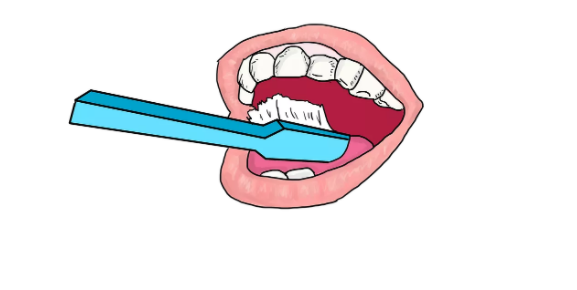
Brush Your Teeth at Least Twice a Day
Caries and periodontal disease are the two most common oral diseases, primarily caused by dental plaque attached to the teeth. Therefore, removing dental plaque is the foundation of maintaining oral health.
Brushing removes plaque, soft deposits, and food debris, maintaining oral hygiene and protecting the health of teeth and periodontal tissues.
Therefore, brush your teeth at least twice a day, and brushing before bed is even more important. Stick to brushing in the morning and evening, and rinse your mouth after meals.
02
Replace Your Toothbrush Regularly
To prevent bacteria from hiding in your toothbrush, you should generallyreplace your toothbrush every three months or so. If the bristles become bent, frayed, or accumulate dirt, they can damage and contaminate oral tissues, and the toothbrush should be replaced immediately.
03
Pay Attention to Cleaning Interdental Spaces
The spaces between teeth are called interdental spaces, which are the most prone areas for bacteria and soft deposits to accumulate.
When brushing, the bristles cannot fully reach the interdental spaces. If you canuse dental floss or interdental brushes to help clean these spaces after brushing each day, you can achieve a thorough cleaning of your teeth.
04
Use Fluoride Toothpaste
Brushing with fluoride toothpaste is a safe and effective way to prevent caries. For children over three years old, use a pea-sized amount each time. Adults only need about0.5–1 gram (approximately 0.5–1 cm in length) of toothpaste per brushing.
If other active ingredients are added to the toothpaste, such as fluorides, antibacterial agents, or anti-sensitivity chemicals, they can help prevent cavities, reduce plaque, and relieve tooth sensitivity, respectively.
05
Reduce Sugar Intake
Sugar is one of the main nutritional elements for humans and a primary source of energy. However, it is also one of the risk factors for tooth decay.
Frequently consuming too many sugary foods or drinking too many carbonated beverages can lead to tooth demineralization, causing cavities or tooth sensitivity.
Therefore, it is very important to consume sugar wisely.
The more often you consume sugar, the greater the chance of tooth damage. You should minimize the number of times you eat sugar each day, reduce carbonated beverage consumption, rinse your mouth with water or tea after eating, and avoid eating anything after brushing your teeth before bed.

0
Regular Dental Check-ups
Oral diseases such as caries and periodontal disease often develop slowly.
Therefore,at least one oral health check-up per yearcan help detect oral diseases early and provide timely treatment. Your dentist may also recommend appropriate preventive measures based on your condition to prevent the occurrence and control the progression of oral diseases.
Well, those are some tips to improve your oral health~ We hope you can make good use of them~
Recommended Articles
- Shanghai | Cohort 1 of the Dr.Clear Masterclass on Integrated Early Orthodontic Intervention and Pediatric Dentistry Concludes Successfully
- Dr.Clear Aligner and Korea's Graphy Enter into an Exclusive Strategic Partnership in China
- Dr.Clear Aligner 2025 Mid-Year Review: Defining Future Precision with Chinese Wisdom!
- Wuhan | Dr.Clear Aligner & Hongchang Dental Summer Pediatric Early Orthodontic Treatment Dual-Track Training Program for Clinicians and Patients Concludes Successfully
- Technology for Good: The “Silver Smile · Seedling Dental Care” Community Outreach Initiative Launches
- “Journey Together, Protecting Little Smiles” – Dr. Eggshell Pediatric Dental & Dr.Clear Aligner Study Tour Season 3 Successfully Concluded~
- Shanghai | Dr.Clear GroForce Class II-III Solution Seminar Successfully Concluded!
- Focusing on a Digital Future: Dr.Clear Aligner and Industry Leaders Discuss New Opportunities in Orthodontics
- Henan | Luoyang Danke Children's Dental Digital Children's Whole-Periodic Facial Management Center Officially Established!
- Beijing | Dr.Clear Children's Whole-Period Early Orthodontic Treatment Roadshow and Summit Concluded Successfully