




Contact number:
+86-15692113403
What are the differences between traditional orthodontics and clear aligners
 Date:2020-10-07 16:32:29
 Author:
 Views:9343
Traditional orthodontics primarily focuses on aligning teeth to achieve a straight and aesthetically pleasing smile. With technological advancements, clear aligner treatment not only straightens teeth but also offers aesthetics and comfort throughout the process. So, what are the main differences between traditional braces and clear aligners? Below, Dr.Clear Aligner summarizes the key differences:
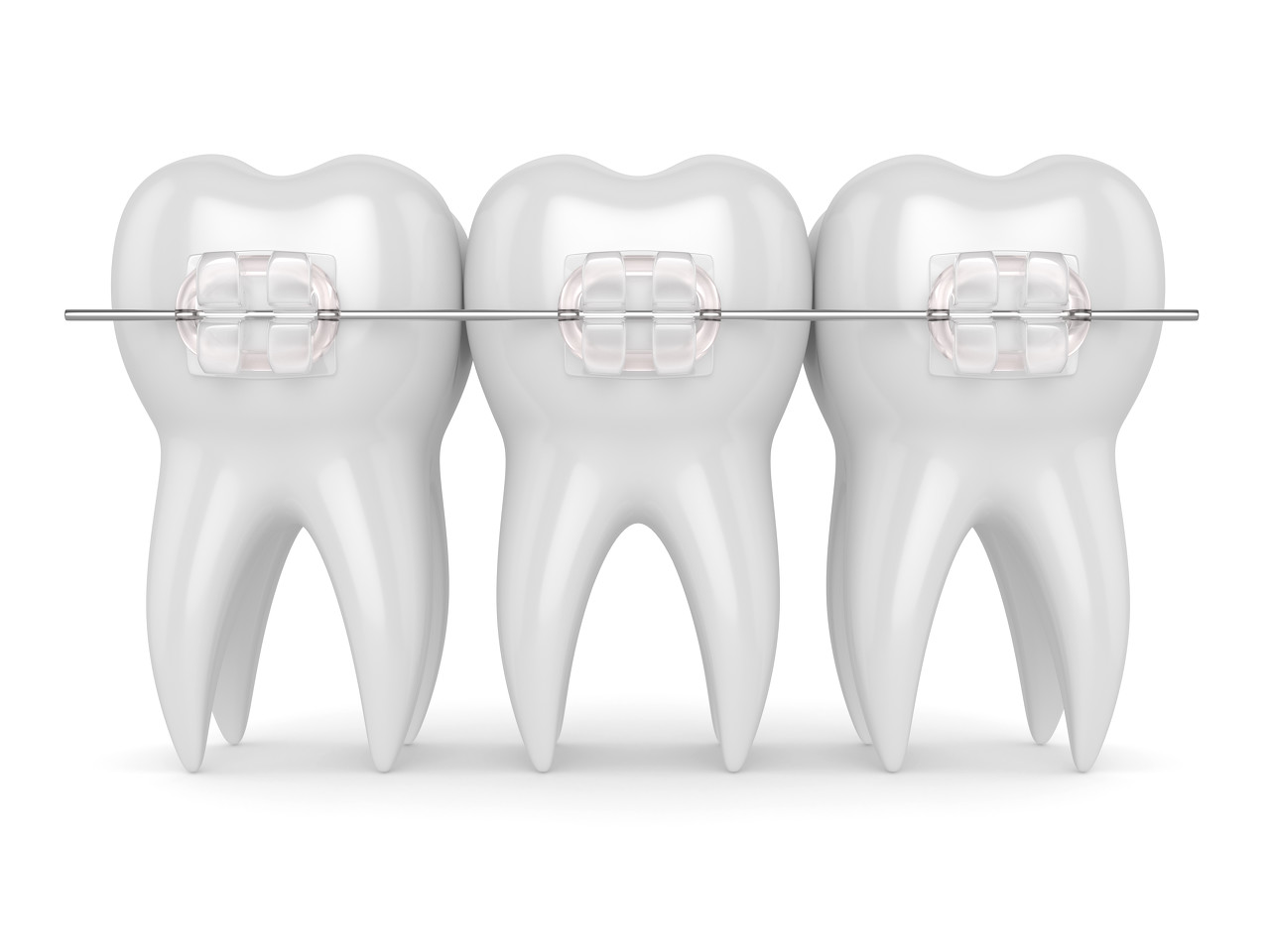
1. Traditional Orthodontics
Traditional orthodontic treatment uses conventional braces, where small brackets are bonded to the teeth and connected by archwires to move the teeth into proper alignment. However, the visible hardware on the teeth often creates a "metal mouth" appearance.
2. Clear Aligner Treatment
Clear aligner treatment, also known as invisible orthodontics, uses advanced 3D computer technology to create a series of nearly invisible, custom-made aligner trays that gradually move the teeth throughout the entire treatment process.
3. What are the advantages of clear aligners?
1. Aesthetics: The completely transparent aligners are nearly invisible, allowing patients to straighten their teeth discreetly, addressing aesthetic concerns many patients have about orthodontic treatment.
2. Comfort: Without wires or brackets, clear aligners cause less irritation and discomfort to the gum tissues, making the treatment process more comfortable.
3. Convenience: The aligners are removable, allowing patients to eat, speak, and maintain their social life without interruption.
4. Oral Hygiene: Since the aligners are removable, they are easy to clean, helping patients maintain better oral hygiene and reducing the risk of gingivitis, tooth demineralization, or discoloration.
5. Fewer Office Visits: Patients typically change to a new set of aligners every two weeks and only need to visit the orthodontist every 4-6 months, saving valuable time.
4. Who are suitable candidates for clear aligners?
Clear aligners are well-suited for patients with mild to moderate malocclusion, such as minor tooth rotation, crowding, misalignment, gaps between teeth, anterior crossbite (underbite, concave profile), anterior deep overjet (protruding teeth, convex profile), deep overbite, mandibular retrusion, bimaxillary protrusion, lip protrusion, and anterior open bite (narrow, long face profile).
Recommended Articles
- Shanghai | Cohort 1 of the Dr.Clear Masterclass on Integrated Early Orthodontic Intervention and Pediatric Dentistry Concludes Successfully
- Dr.Clear Aligner and Korea's Graphy Enter into an Exclusive Strategic Partnership in China
- Dr.Clear Aligner 2025 Mid-Year Review: Defining Future Precision with Chinese Wisdom!
- Wuhan | Dr.Clear Aligner & Hongchang Dental Summer Pediatric Early Orthodontic Treatment Dual-Track Training Program for Clinicians and Patients Concludes Successfully
- Technology for Good: The “Silver Smile · Seedling Dental Care” Community Outreach Initiative Launches
- “Journey Together, Protecting Little Smiles” – Dr. Eggshell Pediatric Dental & Dr.Clear Aligner Study Tour Season 3 Successfully Concluded~
- Shanghai | Dr.Clear GroForce Class II-III Solution Seminar Successfully Concluded!
- Focusing on a Digital Future: Dr.Clear Aligner and Industry Leaders Discuss New Opportunities in Orthodontics
- Henan | Luoyang Danke Children's Dental Digital Children's Whole-Periodic Facial Management Center Officially Established!
- Beijing | Dr.Clear Children's Whole-Period Early Orthodontic Treatment Roadshow and Summit Concluded Successfully