




Contact number:
+86-15692113403
Does Clear Aligner Treatment Generally Require Tooth Extraction? Dr.Clear Aligner Explains
 Date:2020-11-20 15:31:24
 Author:
 Views:8039
Many patients who have not yet started but are considering clear aligner treatment come to Dr.Clear Aligner and ask: Does clear aligner treatment generally require tooth extraction?Dr.Clear Aligner believes everyone knows that with the growing emphasis on personal appearance, clear aligner treatment has become increasingly common. Clinically, there are many orthodontic methods available, such as resin veneers, porcelain veneers, porcelain crowns, orthodontics, etc. The appropriate method varies depending on the patient's dental condition. To ensure optimal results, patients should choose the orthodontic method that suits their needs. So, does clear aligner treatment generally require tooth extraction?This depends on the patient's specific condition. To help everyone understand, Dr.Clear Aligner will provide a detailed introduction below.
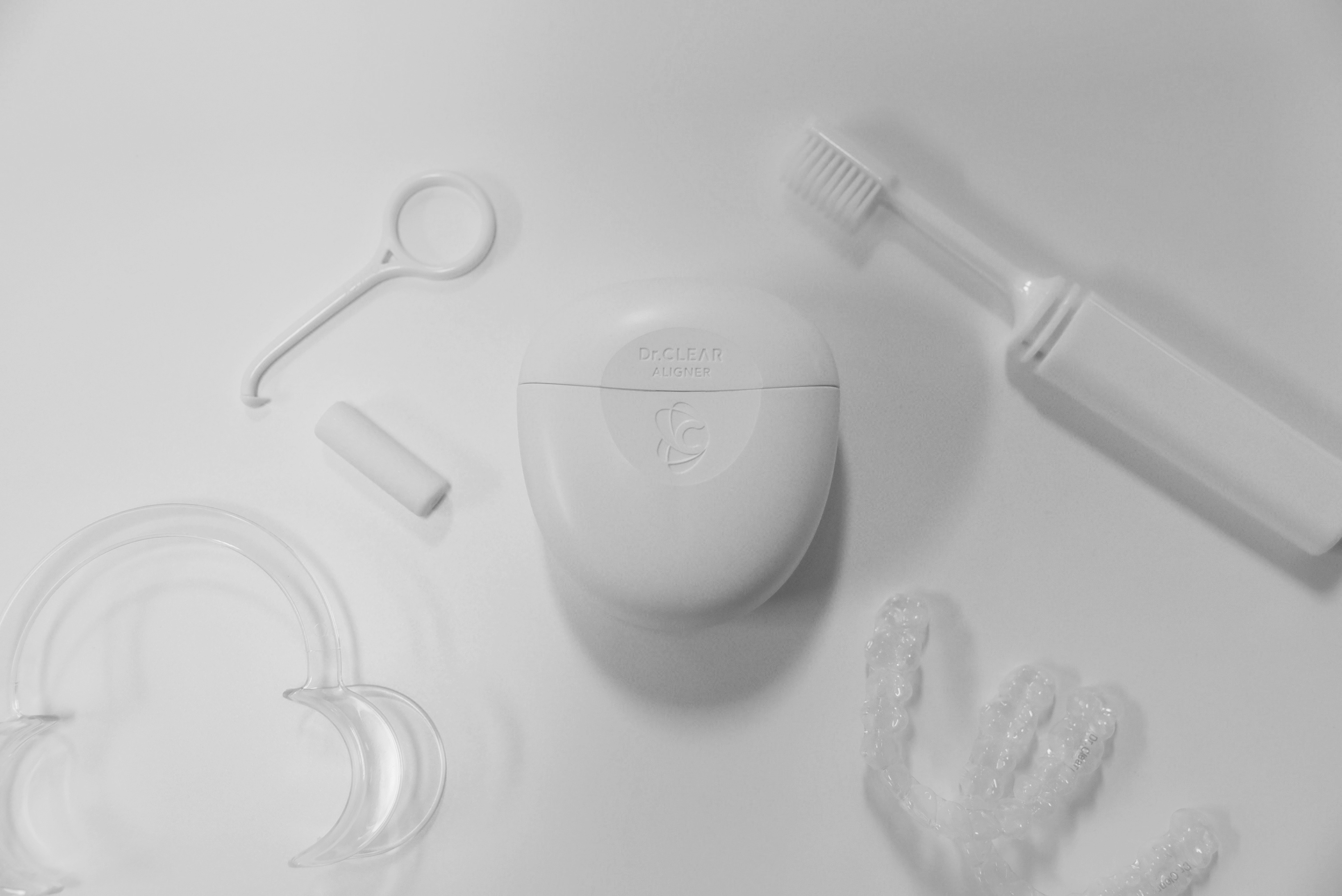
There is no strict age limit for clear aligner treatment. It is generally believed that children around 12 years old, who are in their growth phase, are ideal candidates for orthodontic treatment. At this stage, permanent teeth have erupted and maxillofacial development is nearing optimal. However, cases of "underbite" and "unattractive facial profiles" should receive early orthodontic intervention. Of course, if the upper and lower jaws are normal and only the teeth are misaligned, starting treatment during high school or college can still achieve excellent results.
Tooth extraction during clear aligner treatment is typically required for two reasons. One is to create sufficient space in the dental arch to align crowded teeth. Generally, patients with mild crowding can gain limited space by expanding the dental arch; those with moderate to severe crowding most often require extraction to obtain adequate space. The other reason is to use the space created by extraction to retract significantly protruded front teeth, improving midface convexity. Therefore, cases with protruded front teeth and insufficient arch space must undergo extraction to achieve successful treatment.
Currently, nearly half of clinical orthodontic cases require tooth extraction. This approach not only achieves better treatment outcomes but also significantly reduces the relapse rate after treatment. Based on nearly a century of orthodontic history abroad and decades in China, extraction-based clear aligner treatment generally does not cause significant harm to dental health. Orthodontists prioritize extracting diseased teeth or those with minimal impact on masticatory function during treatment planning. Typically, one tooth is extracted symmetrically on each side of the upper and lower arches, which does not reduce chewing efficiency. On the contrary, after treatment, a well-aligned and stable dental arch offers higher masticatory efficiency. Therefore, extraction-based clear aligner treatment, which benefits both aesthetics and function, is beneficial and harmless.
The above is Dr.Clear Aligner's introduction to "Does clear aligner treatment generally require tooth extraction?" Dr.Clear Aligner hopes this helps everyone understand. Whether tooth extraction is needed depends on various factors. Therefore, to ensure safe and effective treatment outcomes, Dr.Clear Aligner recommends choosing a reputable hospital or aesthetic clinic for clear aligner treatment to avoid improper procedures that may compromise results.
Recommended Articles
- Shanghai | Cohort 1 of the Dr.Clear Masterclass on Integrated Early Orthodontic Intervention and Pediatric Dentistry Concludes Successfully
- Dr.Clear Aligner and Korea's Graphy Enter into an Exclusive Strategic Partnership in China
- Dr.Clear Aligner 2025 Mid-Year Review: Defining Future Precision with Chinese Wisdom!
- Wuhan | Dr.Clear Aligner & Hongchang Dental Summer Pediatric Early Orthodontic Treatment Dual-Track Training Program for Clinicians and Patients Concludes Successfully
- Technology for Good: The “Silver Smile · Seedling Dental Care” Community Outreach Initiative Launches
- “Journey Together, Protecting Little Smiles” – Dr. Eggshell Pediatric Dental & Dr.Clear Aligner Study Tour Season 3 Successfully Concluded~
- Shanghai | Dr.Clear GroForce Class II-III Solution Seminar Successfully Concluded!
- Focusing on a Digital Future: Dr.Clear Aligner and Industry Leaders Discuss New Opportunities in Orthodontics
- Henan | Luoyang Danke Children's Dental Digital Children's Whole-Periodic Facial Management Center Officially Established!
- Beijing | Dr.Clear Children's Whole-Period Early Orthodontic Treatment Roadshow and Summit Concluded Successfully