




Contact number:
+86-15692113403
What Do You Know About the Examination and Diagnosis Methods for Orthodontic Treatment?
 Date:2020-11-26 22:56:30
 Author:
 Views:8436
Many people experience jaw development deformities during childhood growth, which subsequently lead to dental misalignment, more or less affecting their appearance. Orthodontic treatment is a surgical procedure designed to correct such malformed teeth to the greatest extent possible. So, the question arises: what are the examination and diagnostic methods before orthodontic treatment? Below, Dr.Clear Aligner shares some insights based on our experience.
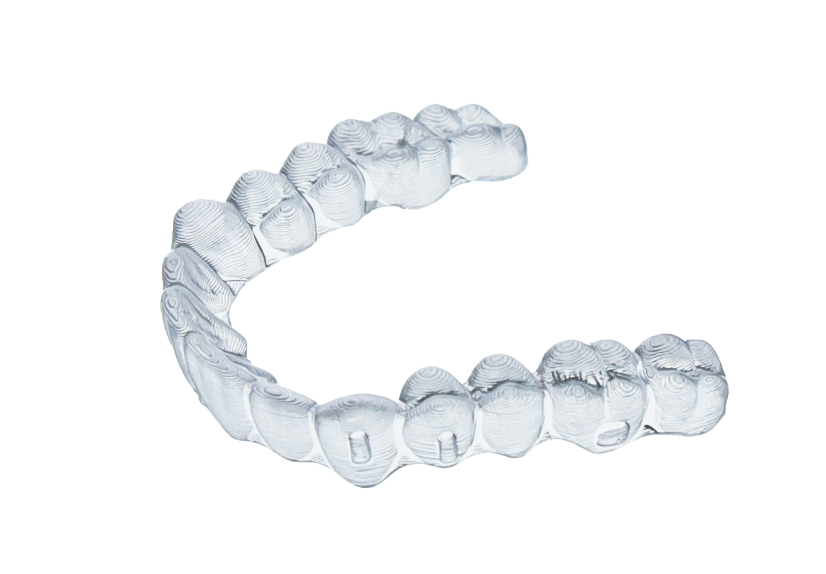
Generally, the following examinations are required before orthodontic treatment:
1. Dental impressions: Models are taken for the doctor to diagnose and design the treatment plan for malocclusion, and for comparative checks during the treatment process.
2. Photographs: Before treatment, the doctor routinely takes facial and intraoral photos of the patient for comparison with the results at the end of treatment.
3. X-ray examination: Each patient routinely undergoes a lateral cephalometric radiograph and a panoramic radiograph.
4. Treatment planning: Based on the models, photographs, and X-rays, the doctor measures, calculates, diagnoses the type of malocclusion, and develops a detailed treatment plan. The doctor then explains the plan to the patient and their family, seeking their input. Once the treatment plan is confirmed, the patient or their family signs the consent form.
5. The specific treatment process.
6. Removal of the appliance after treatment is completed.
Regular follow-up visits are crucial during orthodontic treatment:
During orthodontic treatment, different stages involve different tooth movement plans, so patients must attend regular follow-up visits. Fixed appliances require check-ups every 4-6 weeks, while functional orthodontic appliances require check-ups every 2-3 weeks. Missed appointments can often delay treatment progress, extend the treatment duration, and even cause damage to the teeth and periodontal tissues. Patients who are required to wear elastics should do so according to the doctor's prescribed schedule. Patients should take good care of their appliances, avoid damage or loss, and should not remove or adjust them on their own, as these actions are detrimental to proper treatment.
Friendly reminder: The above content provides an introduction to the examination and diagnostic methods for orthodontic treatment. We hope it is helpful to everyone. Expert tip: If you find the appliance accidentally damaged, or if you experience symptoms such as prolonged tooth pain, noticeable tooth loosening, or soft tissue irritation from the appliance, seek medical attention promptly for timely management.
Recommended Articles
- Shanghai | Cohort 1 of the Dr.Clear Masterclass on Integrated Early Orthodontic Intervention and Pediatric Dentistry Concludes Successfully
- Dr.Clear Aligner and Korea's Graphy Enter into an Exclusive Strategic Partnership in China
- Dr.Clear Aligner 2025 Mid-Year Review: Defining Future Precision with Chinese Wisdom!
- Wuhan | Dr.Clear Aligner & Hongchang Dental Summer Pediatric Early Orthodontic Treatment Dual-Track Training Program for Clinicians and Patients Concludes Successfully
- Technology for Good: The “Silver Smile · Seedling Dental Care” Community Outreach Initiative Launches
- “Journey Together, Protecting Little Smiles” – Dr. Eggshell Pediatric Dental & Dr.Clear Aligner Study Tour Season 3 Successfully Concluded~
- Shanghai | Dr.Clear GroForce Class II-III Solution Seminar Successfully Concluded!
- Focusing on a Digital Future: Dr.Clear Aligner and Industry Leaders Discuss New Opportunities in Orthodontics
- Henan | Luoyang Danke Children's Dental Digital Children's Whole-Periodic Facial Management Center Officially Established!
- Beijing | Dr.Clear Children's Whole-Period Early Orthodontic Treatment Roadshow and Summit Concluded Successfully