




Contact number:
+86-15692113403
Things to Know Before Wearing Clear Aligners
 Date:2021-01-13 22:59:33
 Author:
 Views:8211
In orthodontic treatment, the term "clear aligner" is often mentioned. As the name suggests, clear aligners allow patients to undergo treatment without others noticing the presence of wires or brackets in daily life. This is a type of orthodontic appliance that has emerged in recent years, offering aesthetics, hygiene, and convenience. Clear aligners are typically removable orthodontic devices made from a colorless, transparent elastic plastic material. Patients can put them on and take them off independently, without the need for brackets and archwires. They not only achieve the desired tooth correction but also meet many patients' requirements for aesthetics, discretion, and convenience.
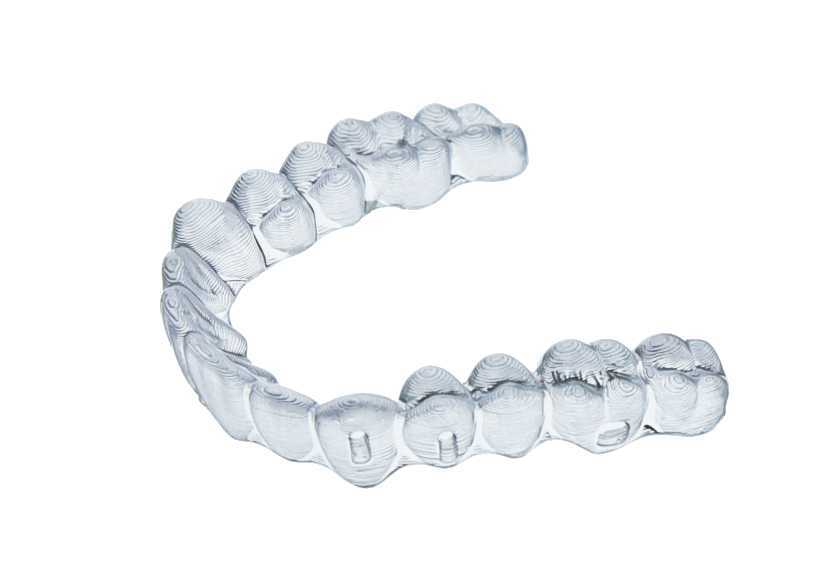
What are the advantages and disadvantages of clear aligners compared to traditional orthodontics? Compared to traditional orthodontics, clear aligners offer the following advantages:
1. Aesthetics: Especially suitable for adult patients and those with psychological concerns or specific occupational requirements.
2. Oral hygiene: Patients can easily remove and reinsert the aligners themselves.
3. Comfort: The aligners fit snugly against the teeth and maintain a consistent shape, without irritating the soft or hard tissues of the oral cavity.
4. Dietary freedom: They do not affect the patient's eating habits, reducing food restrictions and the risk of tooth decalcification, as well as lowering the risk of cavities, gingivitis, and periodontitis.
5. Protection of existing restorations: They do not damage existing dental restorations, especially porcelain crowns, making them suitable for patients with multiple porcelain, alloy, or other restorations.
6. Auxiliary treatments: They allow for other adjunctive procedures, such as teeth whitening.
7. Reduced chair time: The time spent in the treatment chair is shorter, and the intervals between follow-up visits are longer, saving time.
However, clear aligners also have some limitations:
1. Higher treatment cost.
2. Limited capacity for treating complex malocclusions. They are not suitable for patients with poor occlusion, significant anteroposterior discrepancies, or incomplete tooth eruption.
3. High patient compliance required: Patients must strictly control the daily wearing time.
What are the advantages and disadvantages of clear aligners compared to lingual orthodontics?
Lingual orthodontic appliances are placed on the tongue side of the teeth, making the brackets and wires completely invisible from the outside, offering even greater discretion than clear aligners. However, the tongue is a highly sensitive organ. During the initial phase of treatment, patients wearing lingual appliances may experience noticeable discomfort and speech difficulties, which typically subside after 1 to 2 weeks of adaptation. Lingual appliances are a type of traditional fixed orthodontic appliance and can treat a wider range of malocclusions. Clear aligners, on the other hand, require self-removal and reinsertion, demanding high patient compliance. However, compared to lingual appliances, clear aligners make it easier for patients to clean their teeth, promoting better oral hygiene, though the range of malocclusions they can treat is not as broad as that of lingual appliances.
What is the future outlook for clear aligners?
Clear aligners are created by three-dimensional imaging of the dental model, and the treatment plan is designed according to the doctor's prescription. The tooth movements are processed through computer-aided three-dimensional imaging, and each step of tooth movement is reflected in the computer to assist in the fabrication of transparent aligners. Patients wear a series of aligners, which gradually move the teeth in small increments to correct misalignment. The manufacturing process of clear aligners requires high precision and is completed through 3D printing technology.
Currently, clear aligner technology is continuously evolving, gradually expanding its applicability to more patients in need of orthodontic treatment. There are various clear aligner systems available both domestically and internationally. China has also become one of the countries with rapid growth in the clear aligner patient population.
Who can consider clear aligners?
An increasing number of patients are choosing clear aligners, primarily the following groups:
1. Occupational needs: Individuals in the entertainment industry, models, lawyers, teachers, civil servants, and others with high aesthetic demands, or those who personally prioritize aesthetics, often consider clear aligners. Clear aligners are also suitable for adolescents and athletes, dancers, and acrobats who engage in frequent physical activity, as they help prevent lip injuries.
2. Treatment complexity: Patients with severe malocclusions or high treatment difficulty require a doctor's diagnosis to determine whether clear aligners are appropriate.
3. Financial considerations: Since the cost of clear aligners is currently significantly higher than that of traditional orthodontics, financial capacity is an important factor to consider when choosing clear aligners. Therefore, the decision to proceed with clear aligner treatment should be made jointly by the patient and the doctor.
Recommended Articles
- Shanghai | Cohort 1 of the Dr.Clear Masterclass on Integrated Early Orthodontic Intervention and Pediatric Dentistry Concludes Successfully
- Dr.Clear Aligner and Korea's Graphy Enter into an Exclusive Strategic Partnership in China
- Dr.Clear Aligner 2025 Mid-Year Review: Defining Future Precision with Chinese Wisdom!
- Wuhan | Dr.Clear Aligner & Hongchang Dental Summer Pediatric Early Orthodontic Treatment Dual-Track Training Program for Clinicians and Patients Concludes Successfully
- Technology for Good: The “Silver Smile · Seedling Dental Care” Community Outreach Initiative Launches
- “Journey Together, Protecting Little Smiles” – Dr. Eggshell Pediatric Dental & Dr.Clear Aligner Study Tour Season 3 Successfully Concluded~
- Shanghai | Dr.Clear GroForce Class II-III Solution Seminar Successfully Concluded!
- Focusing on a Digital Future: Dr.Clear Aligner and Industry Leaders Discuss New Opportunities in Orthodontics
- Henan | Luoyang Danke Children's Dental Digital Children's Whole-Periodic Facial Management Center Officially Established!
- Beijing | Dr.Clear Children's Whole-Period Early Orthodontic Treatment Roadshow and Summit Concluded Successfully