




Contact number:
+86-15692113403
What are the risks of skipping regular follow-up visits during orthodontic treatment?
 Date:2024-01-22 14:51:16
 Author:Marketing Department
 Views:8743
Why Are Follow-Up Visits Necessary After Orthodontic Treatment?
Wearing aligners is not a one-time fix. Patients need to attend follow-up visits at regular intervals because the force applied by the aligners must be adjusted according to the different stages of treatment. This is how teeth are guided into their correct positions.If follow-up visits are neglected, the outcome of your orthodontic treatment may be compromised.
The follow-up schedule is calculated by your orthodontist based on the biological principles of tissue remodeling after force application. Attending appointments on time ensures that the remodeling cycle is not interrupted, allowing for continuous and stable tooth movement and the smooth progression of your treatment.
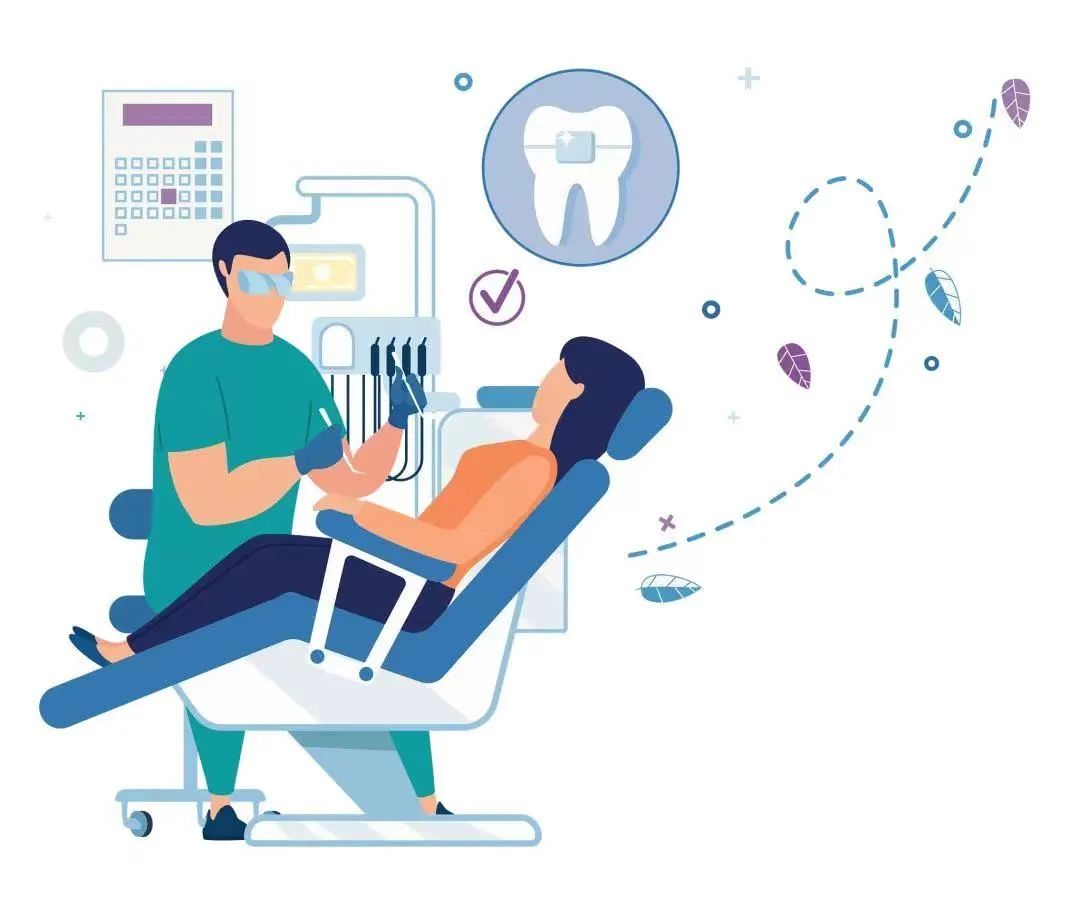
Additionally, unexpected situations can arise during orthodontic treatment. By attending scheduled appointments, your doctor can identify and address these issues promptly with appropriate interventions, significantly reducing any negative impact.
Fixed Orthodontic Appliances
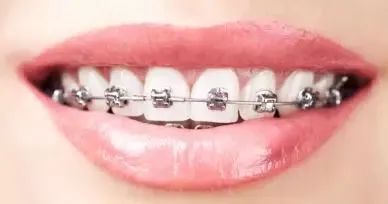
Patients with fixed appliances typically need follow-up visits every 4 to 6 weeks. If you fail to attend these appointments as scheduled, tooth movement can become uncontrolled, leading to movements that your orthodontist did not intend.
Functional Orthodontic Appliances
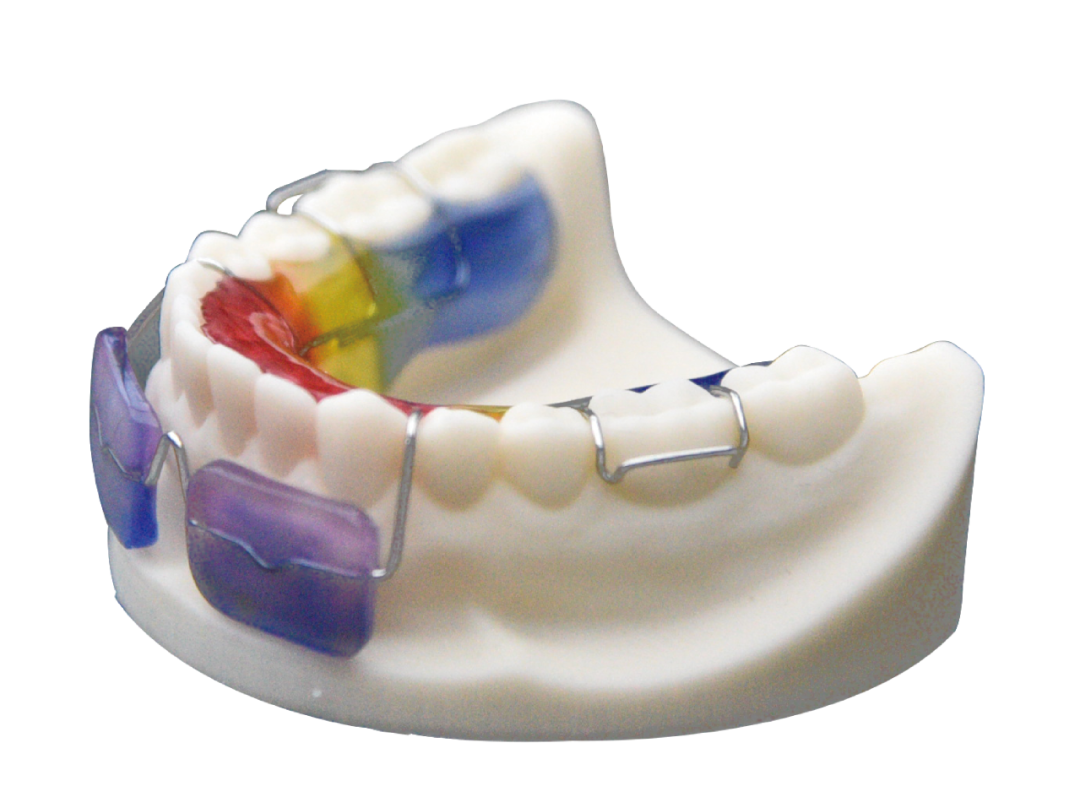
Follow-up visits for functional appliances are generally scheduled every 3 to 5 weeks. Without timely appointments, the planned remodeling process can lose control, causing abnormal tissue responses and negatively affecting the final treatment outcome.
Clear Aligners
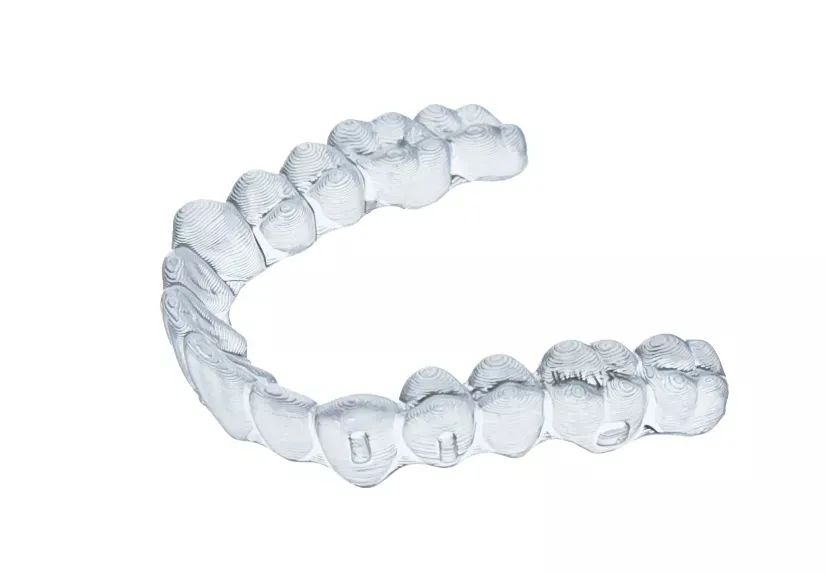
If follow-up visits are missed or neglected for an extended period, tooth movement loses monitoring, which may result in tooth shifting or a lack of treatment progress.
Advantages of Clear Aligners
Clear aligner treatment, also known as "invisible bracketless orthodontics," represents a revolutionary advancement in orthodontic technology. In many cases, clear aligners can eliminate the need for the traditional metal wires and brackets used in conventional orthodontics. Clear aligners are made from safe, highly elastic, transparent polymer materials. The treatment plan is designed based on each patient's individual characteristics, and the aligners are custom-manufactured using advanced technology to create your personalized smile.
The smooth texture of clear aligners makes them aesthetically pleasing and comfortable to wear, significantly reducing the oral complications that can be caused by orthodontic appliances during treatment.
Moreover, clear aligners are transparent and barely noticeable, allowing patients to wear them during important personal or public events. Since they are almost completely invisible, teeth can be straightened without others even noticing, addressing the aesthetic concerns many patients have about orthodontic treatment.
Recommended Articles
- Shanghai | Cohort 1 of the Dr.Clear Masterclass on Integrated Early Orthodontic Intervention and Pediatric Dentistry Concludes Successfully
- Dr.Clear Aligner and Korea's Graphy Enter into an Exclusive Strategic Partnership in China
- Dr.Clear Aligner 2025 Mid-Year Review: Defining Future Precision with Chinese Wisdom!
- Wuhan | Dr.Clear Aligner & Hongchang Dental Summer Pediatric Early Orthodontic Treatment Dual-Track Training Program for Clinicians and Patients Concludes Successfully
- Technology for Good: The “Silver Smile · Seedling Dental Care” Community Outreach Initiative Launches
- “Journey Together, Protecting Little Smiles” – Dr. Eggshell Pediatric Dental & Dr.Clear Aligner Study Tour Season 3 Successfully Concluded~
- Shanghai | Dr.Clear GroForce Class II-III Solution Seminar Successfully Concluded!
- Focusing on a Digital Future: Dr.Clear Aligner and Industry Leaders Discuss New Opportunities in Orthodontics
- Henan | Luoyang Danke Children's Dental Digital Children's Whole-Periodic Facial Management Center Officially Established!
- Beijing | Dr.Clear Children's Whole-Period Early Orthodontic Treatment Roadshow and Summit Concluded Successfully